The Dog Walk Outfit for a 12C Morning and a 24C Afternoon

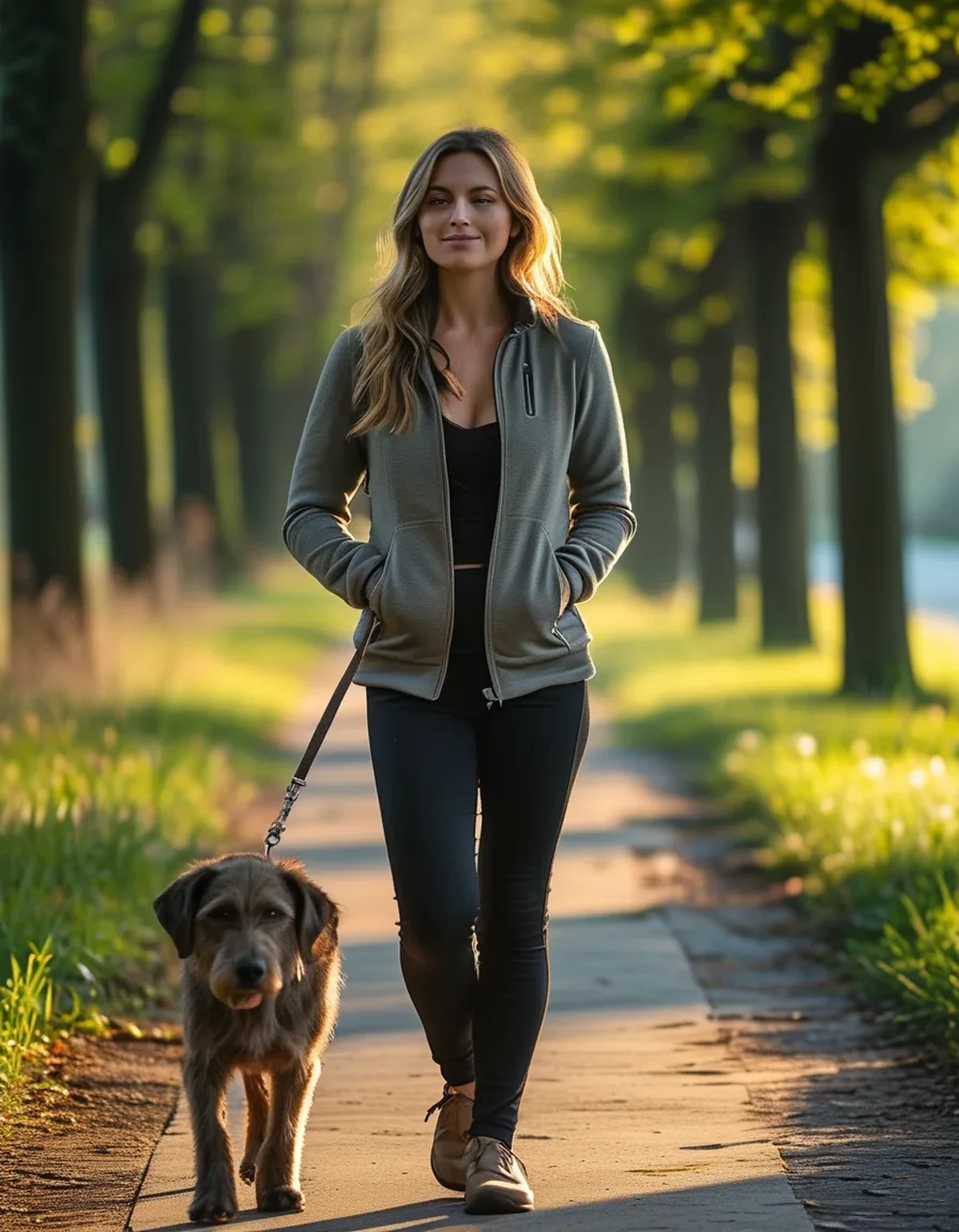
Quick Answer: Build one base you wear for both walks and change only the outer layer. A fitted long-sleeve base plus a full-zip mid layer covers the morning; removing the zip layer covers the afternoon. The full zip matters specifically - you will warm up eight minutes into the morning walk, and a zip lets you vent without stopping while holding a leash.
The detail that decides whether the outfit works: what you do with the mid layer once you have taken it off, when both your hands are occupied.
Why does the morning walk feel so much colder than the temperature suggests?
Three effects stack, and only one is on the thermometer.
You have just got up. Core temperature is at its daily low in the early morning and peripheral blood flow is reduced. The same 12C feels considerably colder at 6:30am than at 6:30pm, and this is physiological rather than psychological.
Dew and damp. Early autumn mornings often have heavy dew, and wet grass soaks shoes and lower legs within minutes. Wet fabric conducts heat away from the body far faster than dry fabric, which is why cold feet in the morning are so persistent.
Dog walks are low-intensity. You are producing much less heat than you would running, and you stop frequently. Stopping is the part people forget - a walk with five two-minute stops is a walk where you cool down five times.
Which explains the specific failure. People dress for the temperature, warm up during the first ten minutes of walking, feel overdressed, and then get cold at the first stop. The answer is not less clothing; it is adjustable clothing.
On the afternoon walk, the opposite problem: you dress for the morning out of habit, and 24C in direct autumn sun with a jacket is genuinely uncomfortable. The sun angle is lower but the intensity in early autumn is still substantial, which surprises people who have mentally moved on from summer.
What should the actual layering system be?
Three pieces, of which only one changes between walks.
The base: a fitted long-sleeve top.
- Fitted rather than loose, because the layer above needs to slide over it and because trapped air between fitted layers insulates better than a loose single layer
- Merino or a technical synthetic. Cotton is the one to avoid - it holds moisture against the skin and stays cold
- This piece is worn on both walks, which is the point
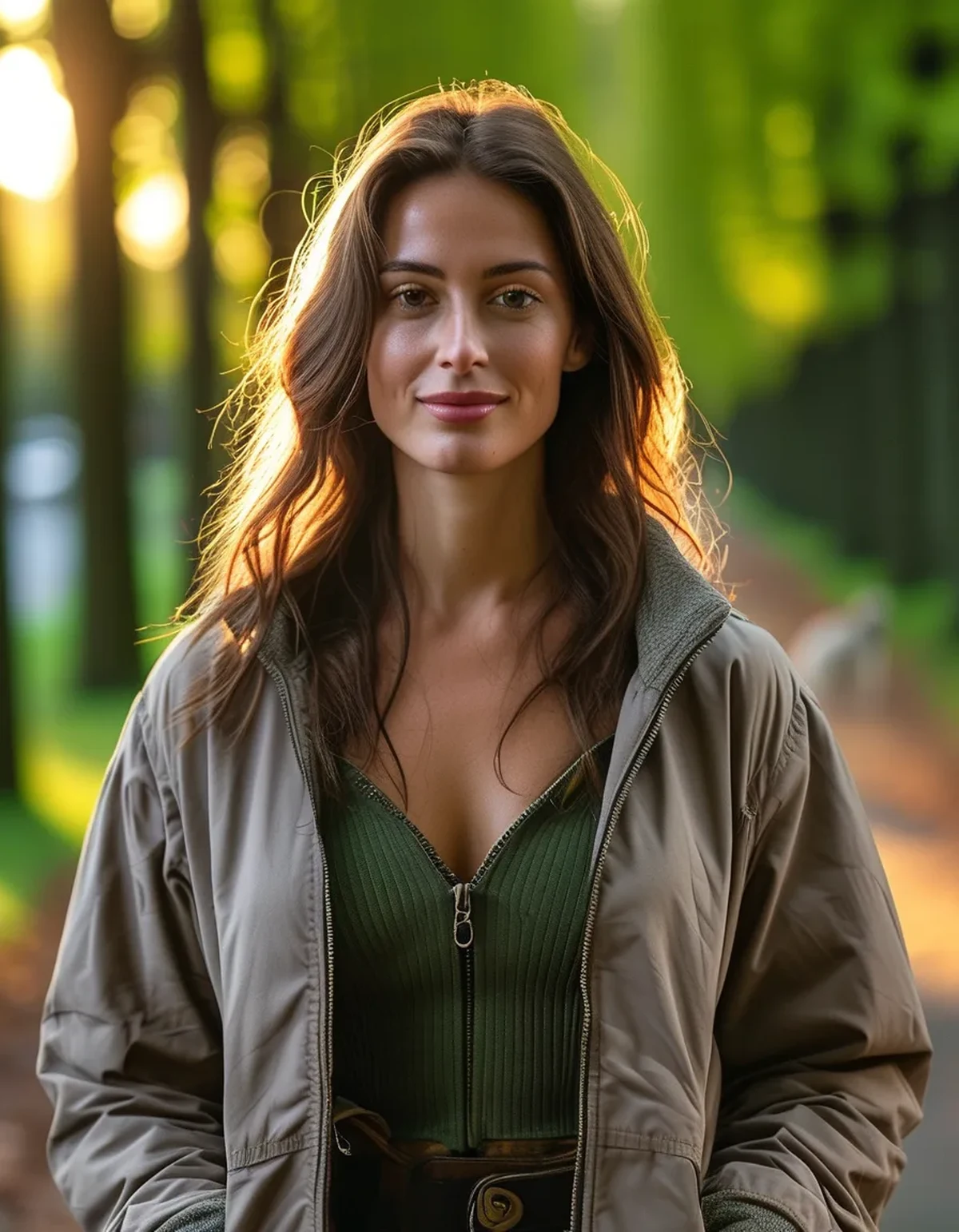
The mid: a full-zip layer.
- Full zip, not a pullover. You will need to vent it eight minutes in and you will be holding a leash and possibly a bag. A half-zip requires two hands and a stop
- A light fleece or a technical zip-up, warm enough for 12C standing still
- Pockets with zips, since this is where the poop bags, phone and treats live
The outer, only when needed: a packable shell.
- For rain and wind. Early autumn rain arrives without much warning, and a shell that packs to fist size lives permanently in a bag or pocket
- Wind resistance matters more than waterproofing on most days
Bottoms, which change less:
- Full-length leggings or joggers in a mid-weight fabric. The morning-versus-afternoon difference is mostly upper body
- Something that handles wet grass at the hem. A slightly cropped length keeps the hem out of the dew, which is worth more than it sounds
Feet, which are the real morning problem:
- Water-resistant shoes for the morning walk, which changes the whole experience. Dew soaks mesh running shoes in under five minutes
- Wool or wool-blend socks, which stay warm when damp in a way cotton does not
Where does the layer go once you take it off?
This is the question that decides whether a layering system survives contact with an actual dog walk.
The constraint. One hand has a leash. The other may have bags, a coffee, a ball thrower, or a second leash. You have somewhere between zero and one free hands, and a jacket in your arms is a jacket that gets dropped.
Options that actually work:
- Tie it around the waist. Simple, always available, and the reason this remains the default after decades. Works best with a lightweight layer
- A small crossbody or sling bag with enough volume for the layer. This is the single best solution and it also carries the bags, treats, keys and phone. Crossbody rather than backpack, because it can be accessed without stopping
- A jacket that packs into its own pocket, which then clips to a belt loop or bag strap
- A waist pack, which many people abandoned and which is genuinely well suited to this
Options that do not work:
- Carrying it, for the reason above
- A backpack, unless you plan to stop each time you need something from it
- Tying it around the shoulders, which slips constantly while walking
On pockets, since dog walks have specific storage needs:
- One zip pocket for the phone, because unzipped pockets and bending down to pick things up do not combine well
- One accessible open pocket for bags and treats, which needs to be reachable one-handed
- Somewhere for the used bag, which is the least glamorous and most practical requirement. A small clip-on dispenser with a separate carrying loop solves it
The overall test for a dog-walk outfit: can you do every part of the walk - the pickup, the phone check, the treat, the layer removal - with one hand? If not, something needs to change.
5 Mistakes Everyone Makes Dressing for Shoulder-Season Walks
1. Dressing for the temperature rather than for the stops. You will warm up walking and cool down at every stop. A vented, adjustable system beats a correctly-warm fixed one every time.
2. A pullover instead of a full zip. It sounds trivial and it is the most consequential single choice. Venting a pullover requires two free hands and a stop; venting a zip requires neither.
3. Mesh running shoes in morning dew. They soak through in minutes and stay wet for the rest of the walk. Water-resistant shoes change the entire morning experience and cost nothing extra in comfort.
4. Cotton anywhere in the system. Cotton holds moisture from dew, drizzle and sweat, and stays cold against the skin. It is the one material rule worth being strict about in shoulder season.
5. No plan for visibility. Morning and evening walks are moving into low light by the week. Reflective detail on the ankles and on the dog matters now, not in November, and the ankle placement matters because motion is what makes reflection register.
All five come from treating an autumn walk as a slightly cooler summer walk. It is a different problem: same activity, twice as much variability.
FAQ: Shoulder-Season Dog Walk Outfits, Answered
What is the single most useful piece for early autumn walks?
A full-zip mid layer. It lets you vent one-handed while holding a leash, which is what the changing temperature actually requires.
Why do I get cold even though I warmed up walking?
Because dog walks include frequent stops, and you cool down at each one. Adjustable layers handle this far better than a single correctly-warm layer.
What should I do with my jacket once I take it off?
Tie it at the waist or carry a small crossbody bag. Carrying it in your hands does not survive a walk where one hand already has a leash.
Do I need different shoes for the morning walk?
Water-resistant shoes make a large difference in dew, which soaks mesh running shoes within minutes and keeps your feet cold for the whole walk.
What fabric should I avoid?
Cotton, throughout. It holds moisture from dew and sweat and stays cold against the skin, which is exactly the failure mode of shoulder-season walks.
When should I add reflective gear?
Now. Daylight is shortening 2 to 3 minutes a day, and the morning and evening walks move into low light quickly. Put reflective detail on your ankles and on the dog.
TL;DR:
- Keep one fitted long-sleeve base for both walks and change only the mid layer
- Full zip rather than pullover - you will need to vent one-handed with a leash in the other
- Have a plan for where the layer goes: waist tie or a small crossbody, never in your hands
- Water-resistant shoes and wool socks solve the morning dew problem completely
- Add ankle reflectors and a light on the dog now, not in November
The morning feels colder than the number because your core temperature is at its daily low and the grass is wet. Dress for the stops, not the walking.
Keep Reading
This article is for general informational and styling purposes only. Fit, sizing, and product availability may vary.