Dog Walk Outfit for the First Cool Mornings of the Season

Quick Answer: The first cool mornings arrive with a 15 to 20 degree swing between the 7am walk and the mid-morning one, which means one outfit has to cover two seasons. The solution is a warm-weather base plus one removable layer that can be tied, stuffed in a pocket, or carried on a leash arm without becoming a problem. Sleeves you can push up beat sleeves you have to remove, and long hems beat cropped ones for the next six weeks.
You walk out at 7am and it is genuinely cold for the first time since spring. Ninety minutes later you are carrying a jacket in the hand that is not holding a leash.
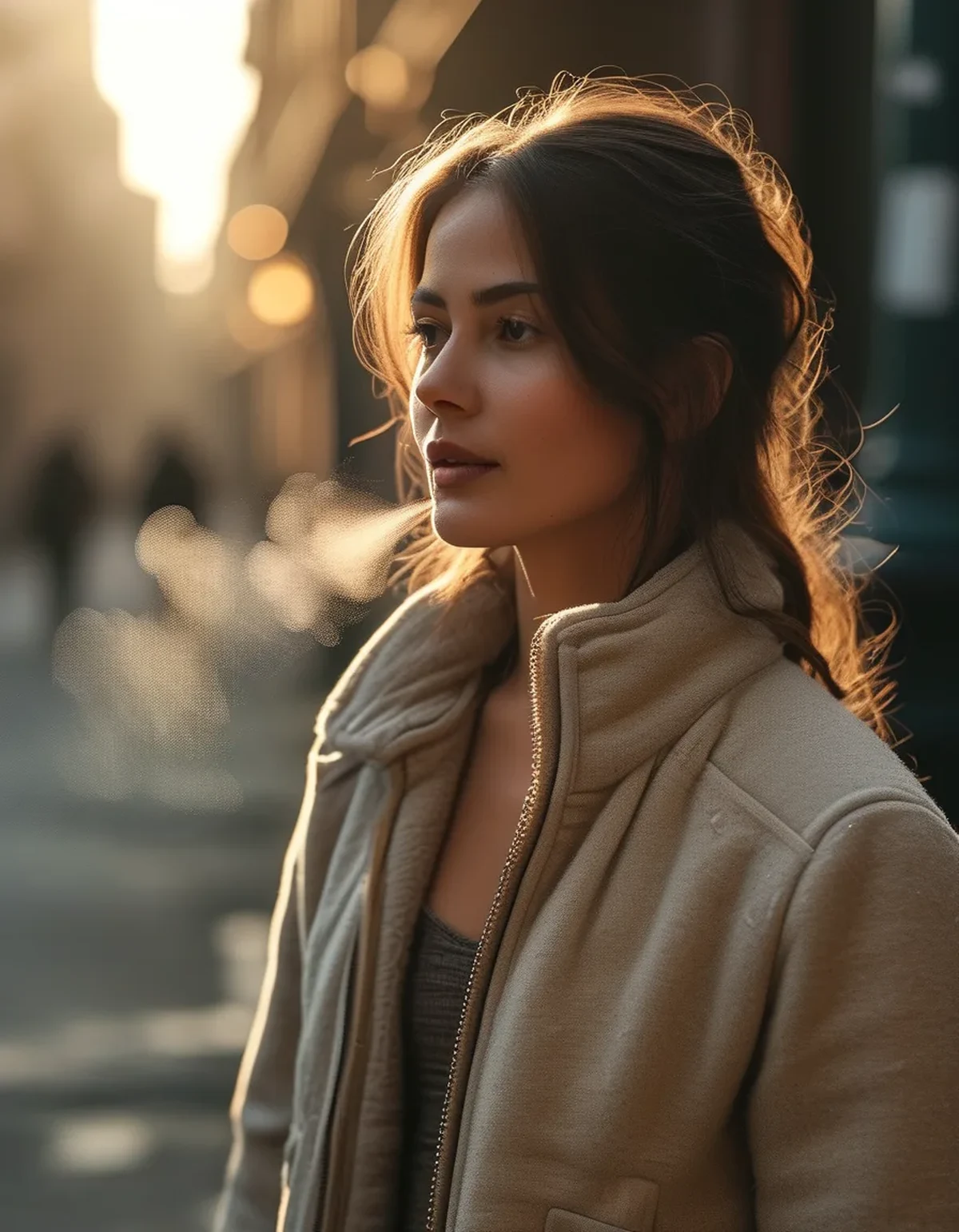
What changes about dog walking when mornings get cool?
More than the temperature, which is why the same outfit that worked in July suddenly does not.
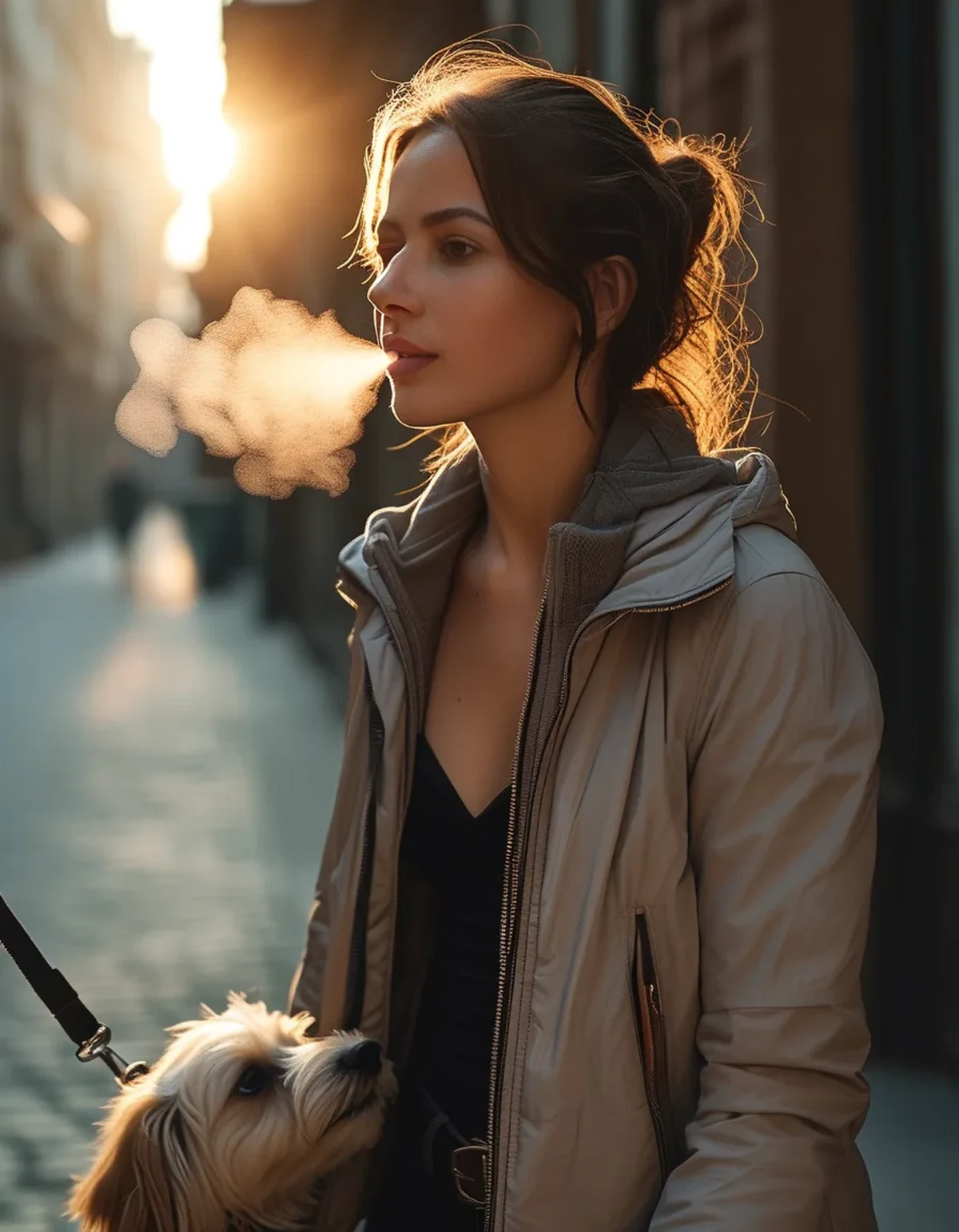
Your hands become the problem. Cold fingers on a leash, a poop bag, and a phone at 7am is a genuinely awkward combination, and it arrives weeks before you think to own gloves again. A layer with real pockets stops being a preference and starts being equipment.
Dew changes the ground. Cool mornings mean wet grass well after the rain has stopped. Cropped hems and low socks get soaked, and wet ankles at 58 degrees feel considerably colder than the air does.
Your dog is more energetic. Dogs that were sluggish in August heat get noticeably springier as mornings cool, which means more pulling, more sudden direction changes, and more demand on whatever you are wearing to move with you.
Light is different. Sunrise is later each week, so the walk that happened in full daylight in July now starts in gray half-light. Visibility becomes a real consideration several weeks before most people start thinking about it, particularly on any route with road crossings.
What does the base layer need to do?
It has to be genuinely comfortable at both ends of the swing, because the layer over it is temporary.
Long over cropped. A full-length legging or jogger covers the ankles for wet grass and holds a bit more warmth without being hot by 10am. This is the single highest-value swap for early autumn, and it costs nothing if you already own both.
Mid-weight, matte fabric. Something around 240 to 280 gsm holds warmth in cool air without becoming a sauna when the sun comes up. Thin summer-weight fabric leaves you dependent on the outer layer, which defeats the point.
A fitted top with sleeves you can push up. Push-up sleeves are the most underrated feature in transitional dressing - they give you three temperature settings in one garment without anything to carry.
Fabric that survives claws. Jumping dogs, muddy paws, and a wet nose against your thigh are all part of this. Tightly knit fabrics resist pulls far better than loose or brushed ones, which look cozier and snag on the first enthusiastic greeting.
Something you would answer the door in. The early walk frequently turns into the trash run and the school drop-off. The base being presentable on its own is what makes the whole outfit work.
5 Looks That Cover the Morning Swing
Look 1: The classic swing outfit. Full-length matte legging, fitted long-sleeve knit, lightweight zip jacket, sneaker with a real sole. Zip on at 7am, tied around the waist by 9. The reference version - nothing clever, works every time.
Look 2: The vest version. Same base with a lightweight quilted vest instead of a jacket. A vest warms the core without adding sleeves that overheat, and the pockets are usually deeper. Best for mornings in the low 60s rather than the 50s.
Look 3: The one-layer trick. A mid-weight half-zip in place of both top and jacket. Zip fully for the first ten minutes, open it as you warm. Fewer pieces to manage with a leash in one hand, and no carrying anything.
Look 4: The wet grass setup. Ankle-length legging, crew socks, water-resistant sneaker, cropped windbreaker. Built specifically for dew-soaked lawns and the first fog mornings. The shoes matter more than anything else here.
Look 5: The half-light look. Same base as look 1, with a light layer in a bright or reflective finish. As sunrise moves later, being visible on the walk stops being optional. Do not save the bright layer for winter - the visibility gap starts now.
What about the layer you have to carry?
Half of the outfit’s success is what happens when you take the layer off, which almost nobody plans for.
Choose something that ties. A jacket that knots around the waist without bulk is the difference between managing a layer and carrying one. A hip-tied layer is also warmth on standby for the walk home if the temperature has not climbed as fast as expected.
Or something that packs. Lightweight jackets that stuff into their own pocket exist for exactly this problem, and they weigh almost nothing clipped to a bag.
Avoid anything that needs both hands. Wraps, blanket scarves, and open cardigans require constant management, and one of your hands is committed to a leash and the other is intermittently committed to a bag.
Pockets matter more than they look. Phone, keys, bags, and treats, and ideally a zip on at least one so nothing falls out when you bend to clip a lead. Two zip pockets is the practical minimum for a solo walk with a dog that pulls.
Wash it more than you think. A layer that lives in dew, dog hair, and the trunk of your car needs a wash weekly through autumn. Cold wash, no softener - softener destroys any water resistance the shell has.
FAQ: Cool Morning Dog Walk Questions, Answered
Is it too early for a real jacket?
For 7am, no - a light jacket is right on time in the first cool weeks. For anything after 9am, yes. That gap is exactly why the removable layer matters more than the jacket’s warmth rating.
What about my dog - do they need a layer too?
Most healthy dogs with normal coats do not need anything in the 50s. Short-coated breeds, seniors, puppies, and small dogs feel cool mornings more, and a light coat is reasonable for them. Ask your vet if you are unsure about your specific dog.
How do I stop my hands from getting cold before glove season?
A layer with cuffs long enough to pull over your palms handles the first several weeks. Thumbholes are genuinely useful here and cost nothing to have.
Do I need different shoes now?
Sooner than you would think. Mesh running shoes soak through in heavy dew and stay wet all day. A shoe with a less porous upper, or simply a second pair to rotate, solves it.
TL;DR:
- The first cool mornings bring a 15 to 20 degree swing inside a couple of hours, so one outfit has to work at both ends.
- Base: full-length hem, mid-weight matte fabric, sleeves you can push up, tightly knit so claws do not pull it.
- The removable layer needs to tie, pack, or clip - and it needs at least two pockets, one zipped.
- Wet grass and later sunrise arrive before real cold does; shoes and visibility matter weeks earlier than most people plan for.
The temptation right now is to keep wearing the summer outfit and just be briefly cold, or to jump straight to the fall one and be hot by 9. Neither works for six straight weeks. Building around a base that handles the warm half and a layer that disappears easily is what makes the walk stop being a daily weather negotiation.
See It in Motion
Seen here: Super High Waist Embossed Yoga Leggings with Inner Pocket — shop it on bubblelime.com
Keep Reading
This article is for general informational and styling purposes only. Fit, sizing, and product availability may vary.