The Fabrics That Survive an Excited Dog — and the Ones That Pull Instantly

Quick Answer: Claw damage is a knit structure problem, not a fabric strength problem. Loose knits, waffle textures and anything with a raised surface catch on claws and pull a loop; tight flat knits and woven fabrics shed them. If your walk clothes keep developing pulls, switch to a smooth, densely knitted surface rather than looking for something tougher.
You can own the most expensive leggings on the market and put a two-inch pull in them the first time an enthusiastic dog puts its paws on your thigh.
The frustrating part is that it has almost nothing to do with quality. A cheap smooth-faced legging will survive a jump that destroys a premium ribbed one, because claws do not tear fabric — they hook it.
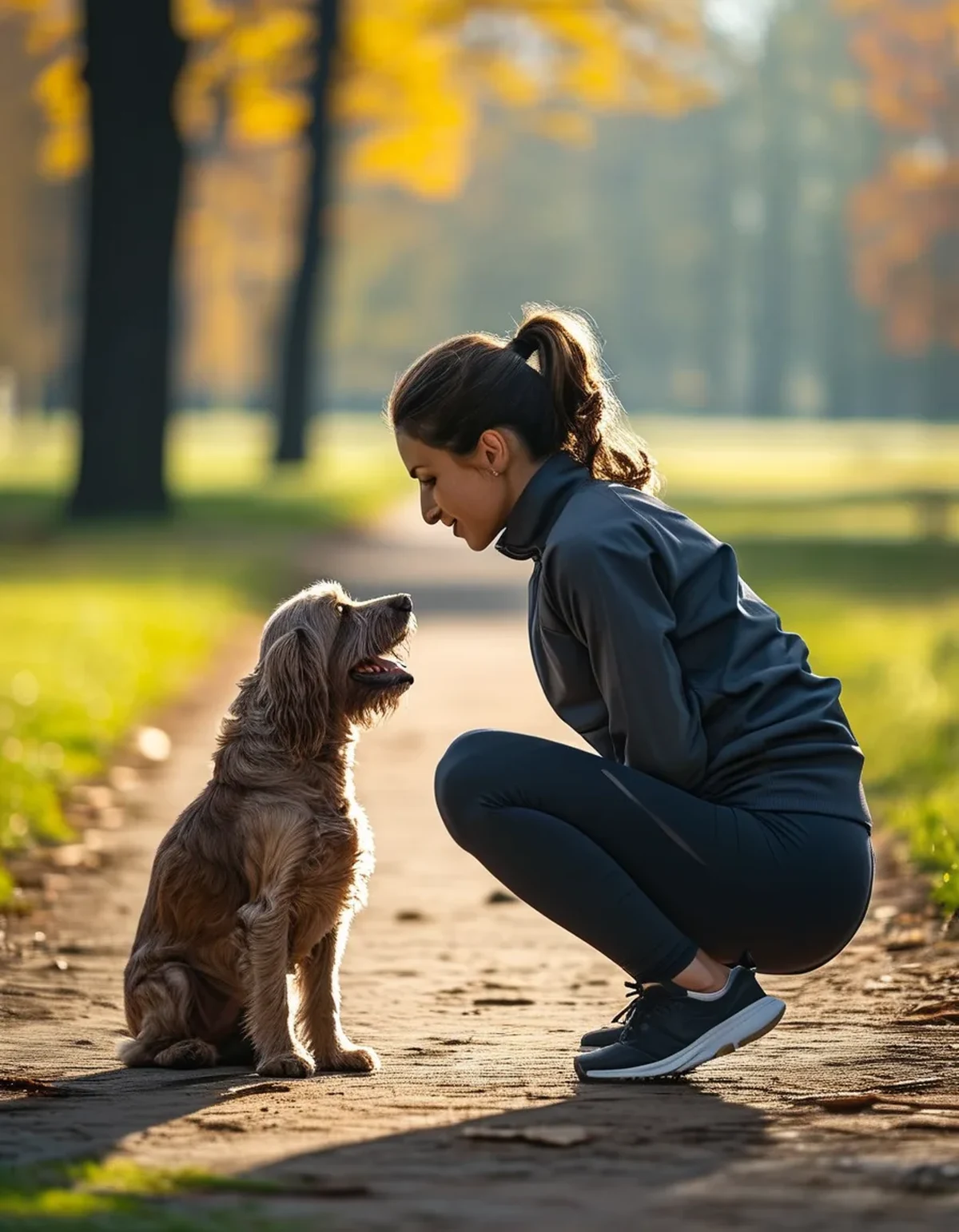
Why do claws cause pulls rather than tears?
Because a dog claw is a blunt hook, not a blade.
When a claw contacts a knitted fabric, it slides across the surface until it finds a gap it can enter — a space between yarns — and then it drags that yarn out of the structure. The yarn does not break. It gets pulled out of position, leaving a long loop on the outside and a tightened, puckered line where the yarn came from.
This is why a pull is so much more common than a hole, and why the damage is disproportionate to the force. A dog putting its paws up gently can produce a pull. A dog running past at speed usually does not, because there is no dwell time for the claw to catch.
The implication for fabric choice is direct: what matters is how much gap there is on the surface for a claw to enter. Fabric weight, fibre strength and price are all largely irrelevant to this specific failure mode.
The secondary factor is yarn float length — how far a single yarn travels across the surface before being locked in by the structure. Long floats give a claw more to grab. This is why satin-faced and ribbed fabrics are so vulnerable and why tightly interlocked knits are not.
Which fabrics actually resist?
Ranked from most to least claw-resistant, for the kinds of clothes people actually wear on walks.
Best: tightly woven synthetics. Ripstop nylon, softshell, and technical woven trousers. Wovens have no loops to pull, only interlaced yarns, so a claw slides off. This is why a hiking trouser survives what leggings do not.
Very good: dense flat-knit performance fabrics. The smooth, slightly compressive faces used in mid-weight leggings and running tights. No surface texture, tight gauge, nothing to hook.
Acceptable: standard jersey and interlock. Basic t-shirt fabric is moderately resistant because the structure is tight, though thin jersey can be pierced rather than pulled.
Poor: ribbed knits. The alternating raised and recessed columns are essentially a series of ledges. Ribbed leggings, ribbed tops and ribbed cuffs are the most commonly damaged pieces in a dog-walking wardrobe.
Poor: waffle, seersucker and any textured knit. Same problem, more surface relief.
Worst: brushed fleece, sherpa, boucle and loose sweater knits. These have enormous amounts of exposed yarn and pull if a dog so much as leans on them. A sherpa-lined jacket is a lovely autumn walking layer and it will not stay smooth.
The practical wardrobe: smooth flat-knit leggings, a woven or smooth-faced shell jacket, and save the textured knits for occasions without dogs.
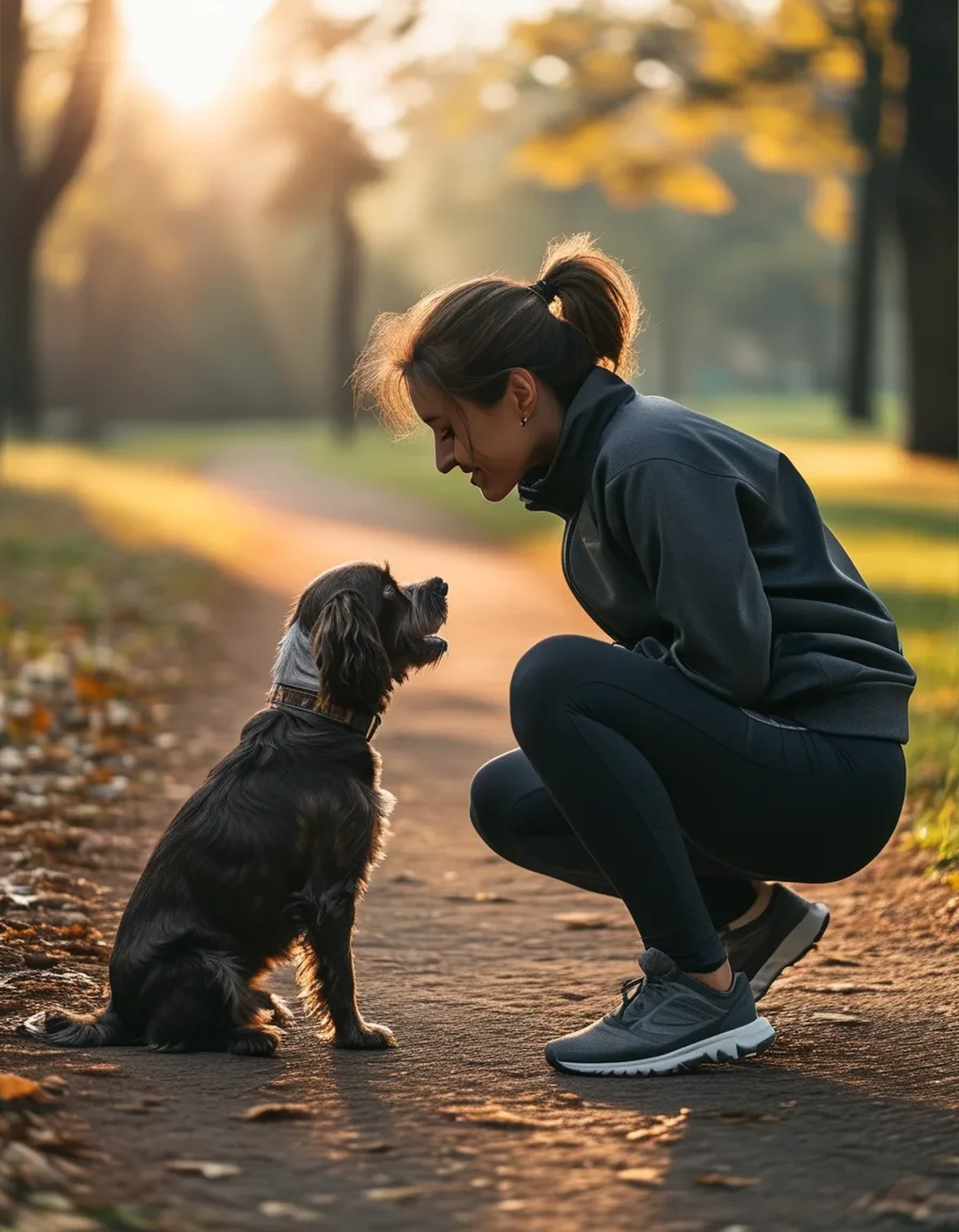
5 Mistakes That Make It Worse
1. Buying leggings with a textured or embossed finish for walks. Embossed and crackle-effect leggings are attractive and they are structurally raised, which is exactly what a claw catches.
2. Assuming an expensive fabric is a tougher fabric. Premium activewear often uses softer, loftier, more comfortable yarns — which are more, not less, prone to pulling. Buttery-soft is a description of a surface a claw will enjoy.
3. Wearing knit outer layers for greeting-heavy walks. If your dog or other people’s dogs jump up regularly, the outer layer takes the damage. A smooth shell is a better outer layer than a knit hoodie for this reason alone, and it also sheds fur.
4. Not managing the claws. This one is not clothing at all and it is the most effective fix. Nails trimmed to the point where they do not click on hard floors are meaningfully blunter and cause far fewer pulls. If your dog’s nails are long, that is the root cause and no fabric choice fully solves it.
5. Cutting the pull off. The instinct is to snip the loop. This turns a repairable pull into a permanent hole that will grow. The correct fix is to work the loop back through to the inside with a needle or a snag-repair tool — the fabric returns to nearly normal and the pucker relaxes over a wash or two.
What about fur, mud and the rest of it?
Claws are one problem; the other three are worth solving at the same time since they affect the same purchase.
Fur adherence is a static and texture issue. Fleece and brushed fabrics hold fur aggressively. Smooth synthetics release it. If you have a heavy-shedding dog, a smooth-faced jacket is the difference between arriving somewhere presentable and not. An anti-static spray on the inside of a jacket noticeably reduces cling in dry autumn air, when static is worst.
Mud favours dark colours and tightly woven fabrics, both because it shows less and because it does not penetrate the structure. Mid-tone heathered fabrics are the worst at hiding splashes — the speckled surface makes dried mud look like part of the pattern until it dries lighter.
Wet dog contact argues for a water-resistant outer layer rather than a waterproof one. Full waterproofs are hot for walking pace; a DWR-treated softshell sheds a shake-off without the sauna effect.
Leash abrasion is the forgotten one. A leash running across a sleeve or a hip for forty minutes a day abrades that spot, and on a textured fabric it produces pilling in a band. If your jackets always wear out in the same place, look at where the leash sits and consider switching hands sometimes.
Seasonally, the next six weeks are the transition into all four problems at once — wetter ground, heavier shedding as coats change, and the return of jackets after a summer of t-shirts.
FAQ: Dog Walk Fabric Questions, Answered
Can pulls be repaired properly?
Yes, in most cases. A snag repair tool — a needle with tiny barbs — pushes the loop through to the inside where it is invisible. This works well on flat knits and less well on ribbed fabrics where the puckering is more visible. Do it before washing; a washed-in pull sets.
Are leggings with a compressive feel more resistant?
Generally yes, because compression fabrics are denser and tighter gauge. They also stretch less at any given point, which means less gap opening up for a claw as you move.
What about the fabric on the back of the calf?
Worth mentioning separately, because dogs walking behind you catch that area with their front paws surprisingly often. If you keep finding damage low on the back of the leg, that is your dog’s stride overlapping yours, and a longer or looser trouser leg reduces contact.
Is merino a bad choice?
Merino base layers pull relatively easily because the yarns are fine and the knits are often looser. Merino is excellent for temperature and odour and poor for claw resistance. Wear it as a base layer under something smoother.
Does washing make pulls worse?
A pull that has not been repaired will tighten and distort in the wash, and tumble drying accelerates it. Repair first, wash inside out, and skip the dryer for anything you care about.
TL;DR:
- Claws hook and pull yarns; they do not tear. Surface texture decides everything.
- Best: woven synthetics and dense flat knits. Worst: ribbed, waffle, fleece and sherpa.
- Trimmed nails do more than any fabric choice.
- Never cut a pull — push the loop through to the inside with a snag tool.
Once you know it is a structure problem rather than a durability problem, the shopping gets much simpler. Run a hand over the surface: if you can feel texture, a claw can find it.
See It in Motion
Seen here: High Waist Yoga Leggings with Inner Pocket — shop it on bubblelime.com
Keep Reading
This article is for general informational and styling purposes only. Fit, sizing, and product availability may vary.